


)
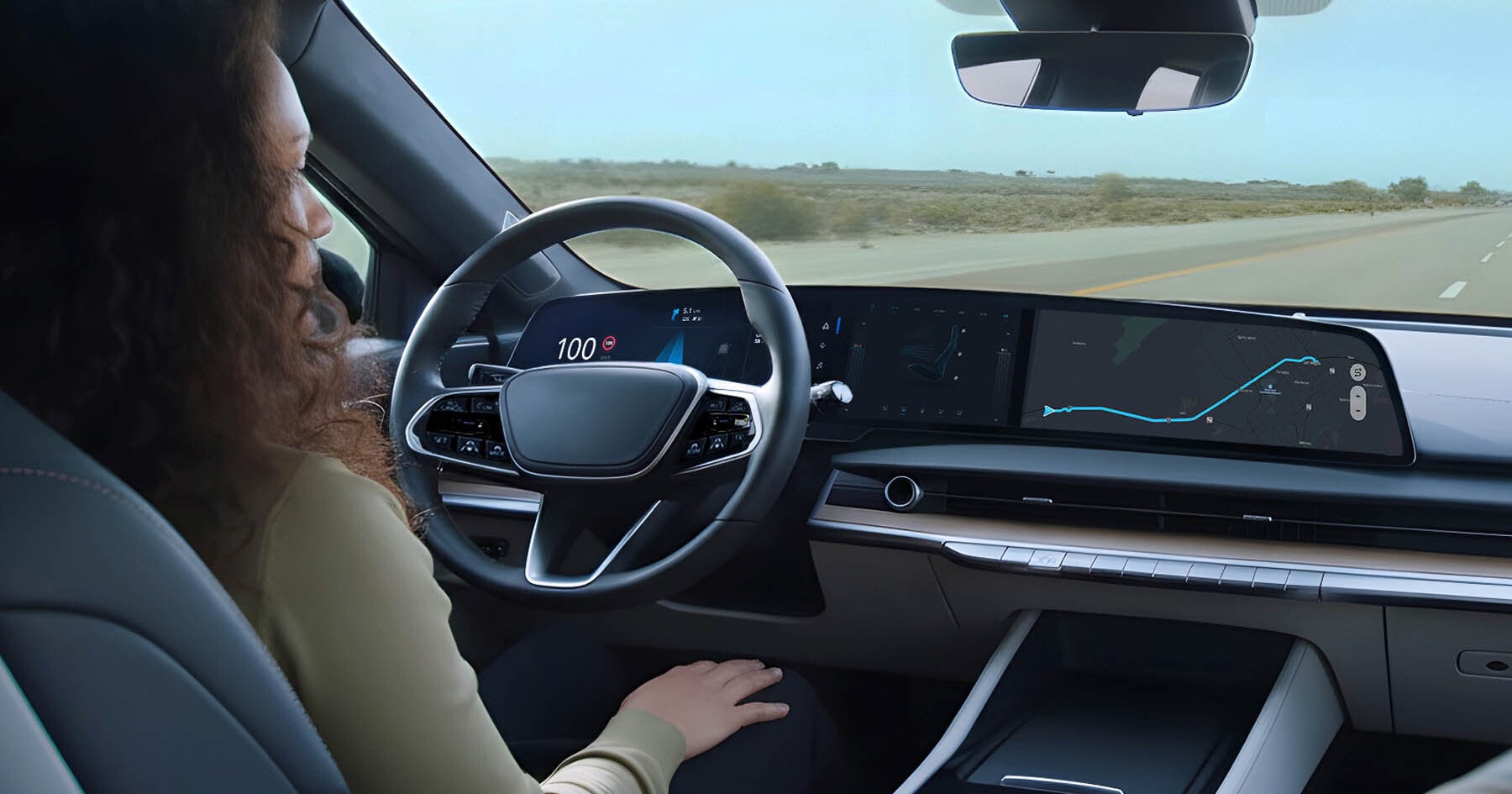
The United Nations just helped the world take a major step toward the future of driverless automated driving. A new global technical regulation for Level 4 Automated Driving Systems (ADS) sets a shared framework for safety, performance and deployment — bringing clarity and direction to an industry moving rapidly toward higher levels of automation.
(This article was co-authored by Matthew Beedham and Snigdha Bansal.)On June 24, 2026, the UNECE World Forum for Harmonization of Vehicle Regulations (WP.29) adopted the world’s first regulatory framework for fully driverless Automated Driving Systems (ADS) — creating a standardized framework for how self-driving systems are defined, assessed and brought safely onto public roads.
For close to a decade, governments, regulators, automakers, technology providers and safety experts have been working through the technical, legal and philosophical questions that come with putting driverless vehicles on public roads. This new framework represents this collaboration and establishes a common foundation for evaluating the safety of vehicles equipped with Level 4 ADS — systems capable of performing the entire dynamic driving task without human intervention under defined conditions in a specific operating domain.
At Level 4, the interaction between human and machine lowers as the vehicle’s capability increases. Steering, signaling, changing lanes, braking, accelerating and monitoring the environment are taken out of the driver’s hands. The vehicle can handle highly complex driving situations, such as the sudden appearance of congestion, construction sites or road works, without any driver intervention.
“Francois Guichard
Secretary to the UNECE’s Working Party on Automated/Autonomous and Connected Vehicles
"It has been developed with the support of major automotive markets — including Canada, China, the European Union, Japan, the United Kingdom and the United States — and is aimed to accommodate a wide range of use cases, from motorway operations to complex urban environments and automated parking," Guichard tells TomTom.
At its core, the framework reflects a clear ambition: to enable innovation while ensuring that automated vehicles operate at least as safely as a competent and careful human driver.
What does the new L4 UN regulation do?
A central feature of the ADS regulation is its performance-based and technology-neutral approach. In other words, it doesn’t matter how you achieve Level 4 automation — you can use any array of sensors, technologies and vehicular control methods you wish — all that matters is that it meets the level of performance and safety required by the regulation. The onus to prove this is on the manufacturer.
As Guichard puts it, "Rather than prescribing specific technical solutions, it sets performance-based requirements, along with validation, monitoring and reporting provisions — allowing innovation across a wide range of technologies and system architectures."
 At a functional level, the regulation reinforces a shared understanding of what an Automated Driving System must do. This is typically framed around the Dynamic Driving Task (DDT), which includes:
- Sensing the environment
- Perceiving and interpreting surroundings
- Planning and decision-making
- Executing control of the vehicle
Importantly, the regulation recognizes that these functions are not performed in isolation. They can be supported by a combination of controls, real-time sensor inputs and additional contextual data — such as map-based information, location analytics or external data sources — to enhance the system’s understanding of its environment and its ability to traverse through it.
Safety at the level of the system
Another defining characteristic of the new framework is its system-level perspective. Automated driving does not rely on a single component, but on a highly integrated ecosystem of technologies that draw expertise from many fields. The regulation explicitly acknowledges that ADS may share components and data sources with other systems, such as advanced driver assistance systems (ADAS), connectivity layers or external information feeds. And that all these can come together to contribute to the safe performance of the system. This includes inputs such as:- Sensor data (cameras, radar, LiDAR)
- GNSS positioning
- Map data
- Location information
- External information (e.g. traffic or weather data)
 Stephanie Leonard, TomTom’s Global Head of Government and Regulatory Affairs, echoes this: "This regulation has correctly focused on the full automated driving ecosystem to ensure safe system behavior, where mapping can play a key role."
Maps play a tactical role in this ecosystem — supporting how automated driving systems perceive their surroundings, interpret road layouts and anticipate how other road users might behave. Prior knowledge of the environment gives the system a head start: knowing in advance that a crosswalk lies ahead, for instance, can help it identify a pedestrian with greater confidence, even in challenging conditions.
By recognizing this interconnected structure of the various elements of the automated driving ecosystem, the new framework reflects how ADS are actually developed and deployed — supporting flexibility while maintaining safety assurance.
A milestone for the industry
For technology providers like TomTom, this clarity is crucial. Until now, many have been developing L4 and L5 self-driving technology; estimates suggest more than $200 billion has been invested in the tech, but so far there has been no way of officially recognizing and permitting it.
To date, true driverless vehicles operate in a small number of cities around the globe and do so under the guise of testing. There is no defined standard for safety, and they are not officially ratified technologies. Now, when local governments roll out and incorporate the UN’s regulation into their own local legislative structure, there will be a clear pathway to L4 vehicles legally operating on our roads. It won’t put L4 vehicles on the road tomorrow, but it clears one of the biggest hurdles in the way, allowing the industry across the ecosystem to focus on the technological and infrastructural work that remains.  "By providing a common set of requirements, it lowers regulatory uncertainty and reduces duplication of approval processes, which are key barriers to market entry,” says Guichard on the significant impact he expects the regulation to have.
A step toward safer roads for everyone
Beyond its regulatory significance, the new framework also arrives at a pivotal moment for road safety. Around the world, the vision guiding the industry is clear: Vision Zero, or a world without a single traffic fatality.
Stephanie Leonard, Global Head of Government and Regulatory Affairs, explains: "To achieve zero road deaths, we need to implement what's called the 'safe system approach': safer road users, safer vehicles, safer roads, safer speeds and safer post-crash care. It's recognized that there is no silver bullet in improving road safety, and different aspects need to be tackled together.”
She believes the responsibility of road safety doesn’t lie on individual drivers, but rather the entire transportation system. Automated driving has a clear role to play here. Some studies suggest human error plays a significant part in causing road incidents, which means ADS has the potential to significantly transform outcomes. "I am positive and hopeful about what impact a mass deployment of ADS systems will bring to our communities worldwide," Stephanie says.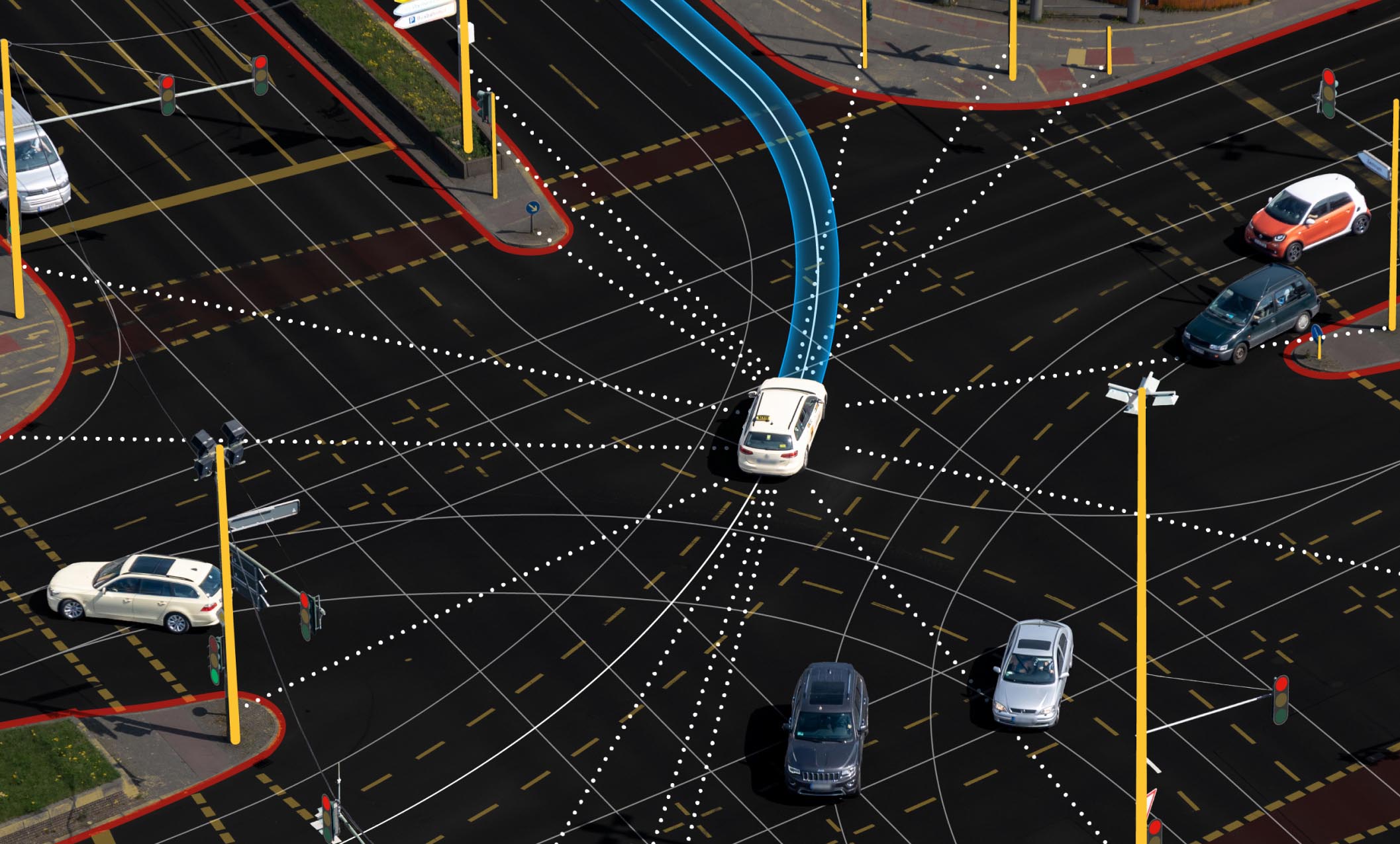 But safer vehicles alone won't get us there. The other pillars — infrastructure, road users, speeds and post-crash response — need to move forward in step.
Paving the road ahead for driverless vehicles
Automated driving is often described as a once-in-a-generation transformation of mobility. Realizing that vision though depends not just on technological advancement, but also on regulatory alignment. Something the industry is only just getting. By defining what safe automated driving should achieve, and how it should be demonstrated, it helps bridge the gap between innovation and deployment. This is an important pathway for new technologies to become part of our daily life and should not be overlooked. It ensures that as vehicles become more capable, they do so within a framework designed to protect road users, build public trust and operate as we’d all expect them to: like a perfectly competent and capable human driver. As Guichard notes, the international collaboration behind the regulation is itself worth recognizing, "Bringing together regulators and experts from around the world to agree on a common approach is no small achievement. It demonstrates a shared commitment to enabling innovation while maintaining high safety standards. Of course, this is the first version of the framework, and it will continue to evolve. However, it already marks an important milestone." For companies across the ecosystem, this milestone reinforces a shared responsibility: contributing to a future where automated driving delivers on its promise of safer, more efficient mobility.And for TomTom, that means continuing to build the location analytics that helps automated systems understand the world around them — and continuing to work alongside regulators, partners and safety advocates to make sure the technology is implemented responsibly. For this milestone to achieve its true impact, the industry must keep moving forward together.
People also read
)
There’s no such thing as mapless automated driving
)
Map-powered automated driving is winning the industry over
)
The road to Vision Zero: How data can drive safer mobility
)
From software defined to AI defined, the next vehicular evolution
* Required field. By submitting your contact details to TomTom, you agree that we can contact you about marketing offers, newsletters, or to invite you to webinars and events. We could further personalize the content that you receive via cookies. You can unsubscribe at any time by the link included in our emails. Review our privacy policy. You can also browse our newsletter archive here.