


)
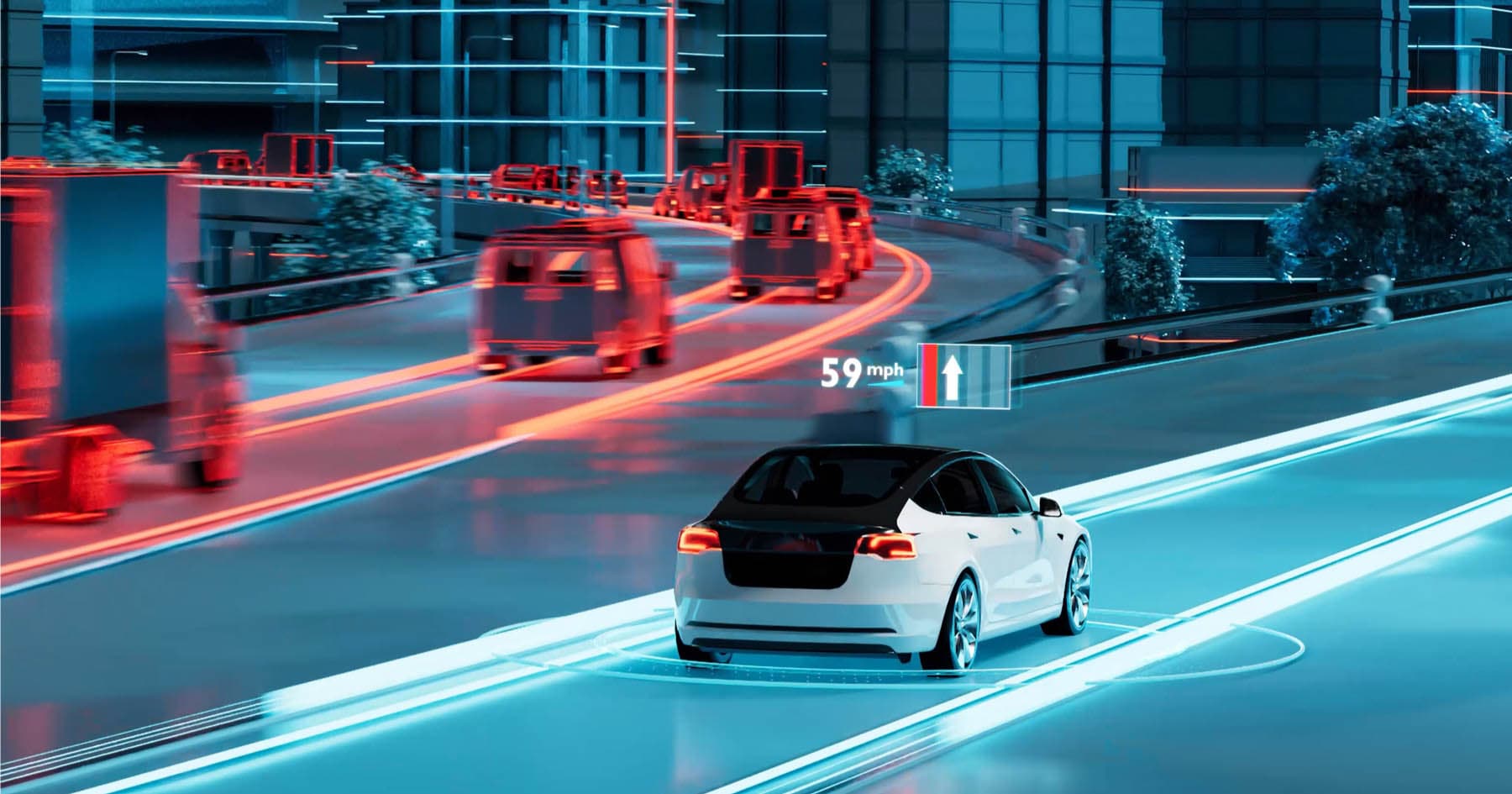
Today’s cars are shaped by disruption. They are defined less by what sits under the hood and more by the software that shapes the experience behind the wheel. As AI, electrification, connected services and driver expectations advance, carmakers face a new challenge: how to build vehicles resilient to change and that keep improving long after they leave the factory.
For decades, cars were understood mainly as machines built to get people from A to B. That is still true, but drivers now expect the same kind of progress they see in consumer technology: more useful features, smarter assistance, connected services and experiences that improve over time.
For drivers, this promises safer, more intuitive experiences built around comfort, convenience and trust. For carmakers, it creates a harder task: connecting hardware, software and data into one reliable system that works across the vehicle, rather than a collection of separate functions.
That is pushing carmakers toward AI-focused, software-led production, where the car becomes a product that can keep evolving after launch. As centralized architectures, unified in-vehicle experiences and zonal computers become central to vehicle development, cars are being redefined by the software they run on as much as by the hardware they are built on. The result is a closer relationship between vehicle, driver and road, shaped by continuous updates and shared intelligence.
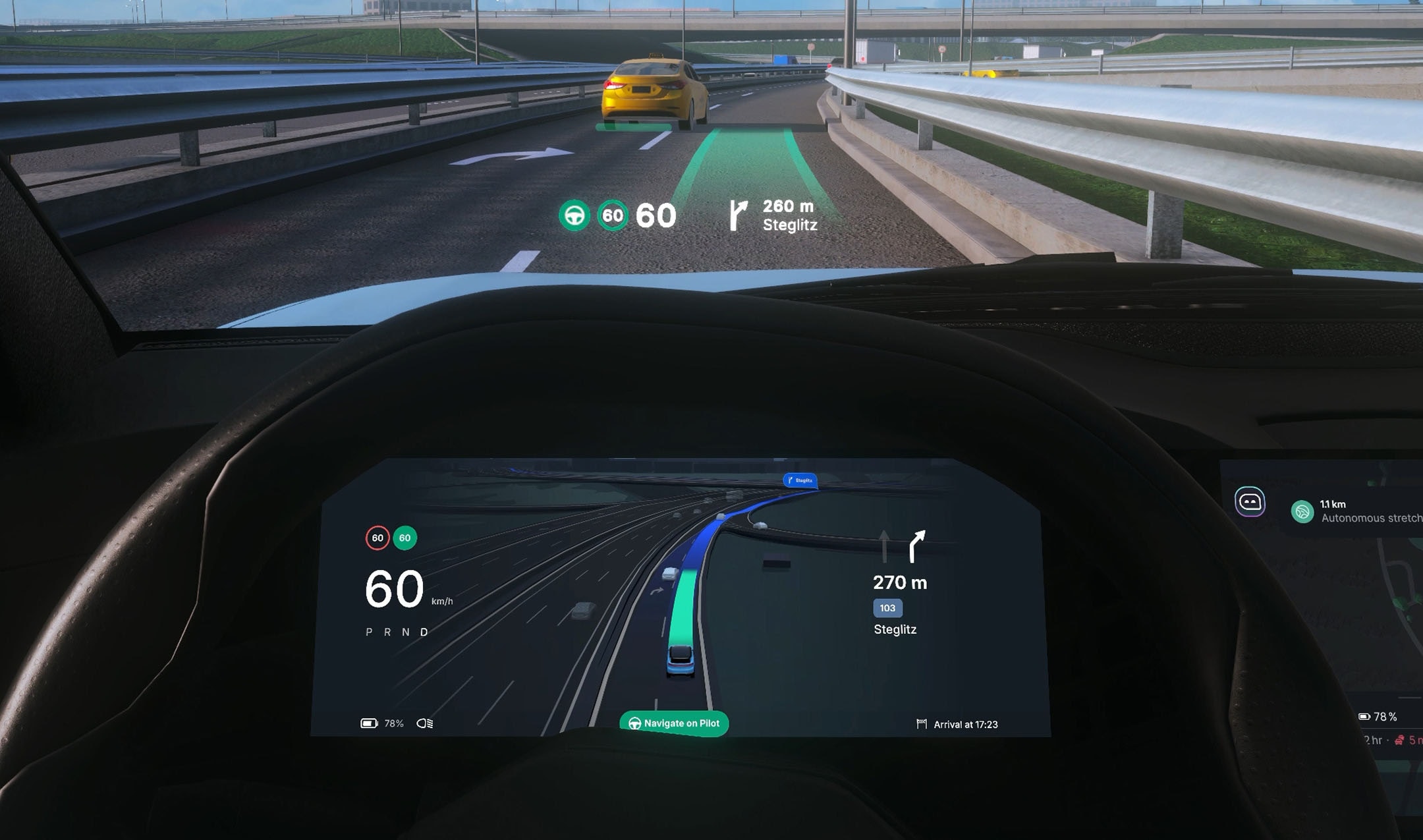
This evolution is already changing what carmakers need to build around. To deliver autonomy, connectivity, electrification and AI carmakers must make software central to the vehicle experience, not just a layer added on top of disparate hardware. As expectations for safer, more connected and more convenient cars rise, features such as AI assistants, intelligent ADAS alerts and automated driving must work together as part of a single trusted system. For carmakers, the challenge is no longer just adding more software, more features and more capabilities. The challenge is building the foundational software and data layers that allow every vehicle capability to interact, improve and scale over time.
The real challenge is not adding more features like AI assistants or entertainment apps, but creating the software and data foundation that lets every aspect of the vehicle interact and improve the driving experience.
“Giovanni Giancaspro
Automotive Market Segment Manager, TomTom
Why software-defined vehicles need a new production model
Traditionally, vehicles have been built from separate hardware units, each engineered for one job and coordinated across multiple platforms and suppliers, typically over five to seven years. Once production decisions were locked in, there was little room to change course. That worked when technology moved slowly enough for carmakers to fix hardware and software years ahead of launch and still stay competitive and still deliver a contemporary and modern driving experience.
It does not work anymore.
Software, electrification and in-vehicle experience, not fixed hardware, decide who wins. An in-vehicle experience deployed today but designed five years ago already feels old and, if not updated regularly, will age quickly. As such, production has shifted toward shared platforms built to support several vehicles across several generations at once. Building on shared platforms reduces costs, improves efficiency and nurtures an economy of scale, so carmakers are increasingly differentiating at the software level instead — it also ensures they can keep the features and functions of their vehicle updated and competitive long after launch.
Connectivity, operating systems and AI architecture demand shorter, continuous development cycles, not one long build cycle followed by a few years of after sales support; a complete change in approach for the auto industry. Software needs to be kept up to date throughout a vehicle's life.
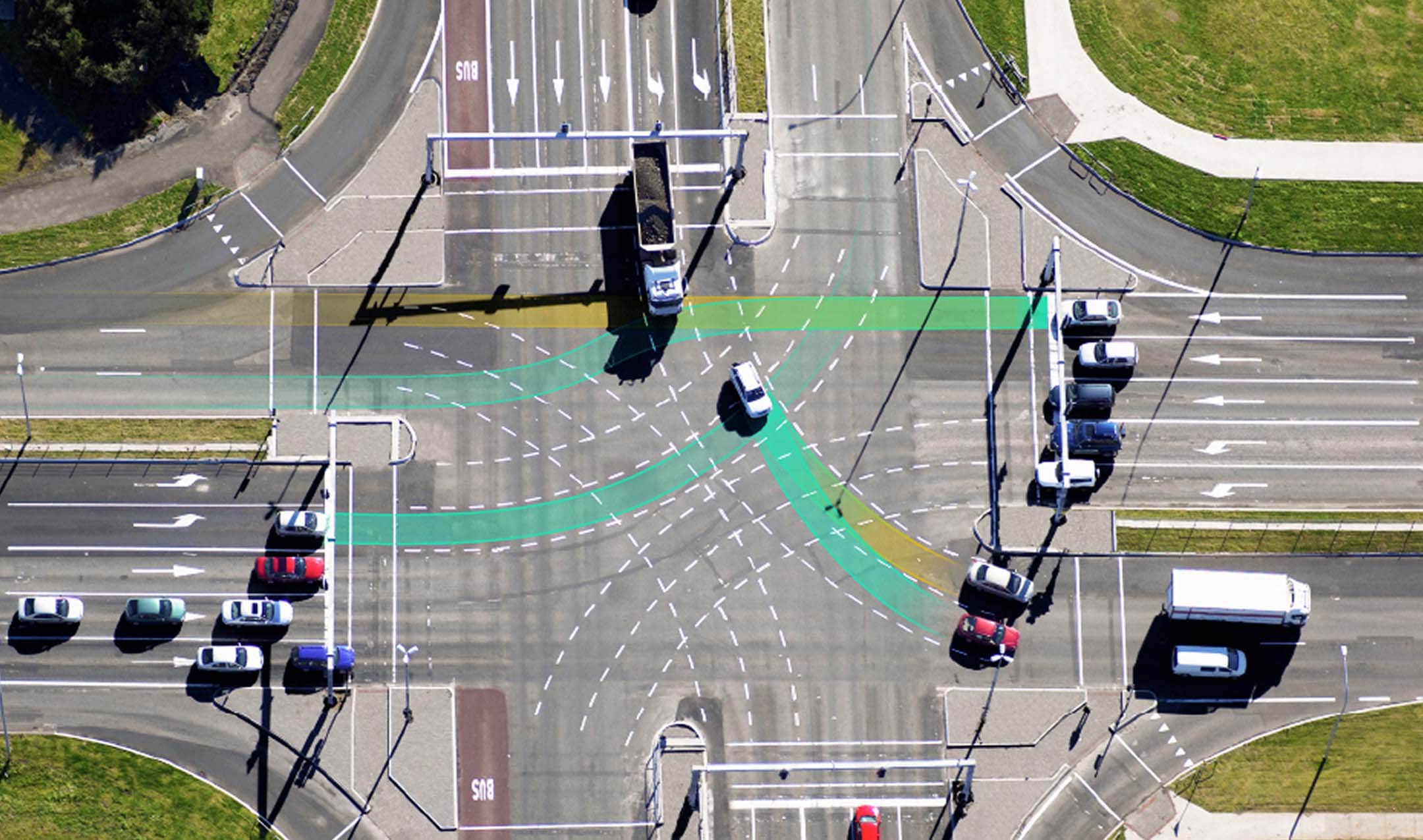
For the in-vehicle experience of the future, navigation, ADAS, AI-based features and battery management need to be designed as part of one ecosystem that understands the world around the vehicle and its effect on the driver. Delivering that kind of experience alone is a tall order, even for experienced automotive brands.
The partner advantage: Building next generation cars
That is what drivers will increasingly judge carmakers on, and where brands will need to stand apart from their peers.
A distinctive, integrated driving experience has become a top priority for carmakers. The question is whether they can develop, deploy and scale the systems behind that experience while controlling costs and reaching the mass market. Few can deliver all of that alone.
So which parts of that foundation should carmakers own, and which are better developed through specialist partnerships? Ultimately, the answer will shape how quickly they can innovate and differentiate in the software- and AI-defined era.
Building and utilizing a well-developed partner ecosystem could be the answer. Spreading risk and sharing expertise is a tried-and-true strategy for handling turbulent, low-margin industries. In an industry where disruption has become the norm, it might be the best approach to deliver ultra-modern vehicles, at speed and scale.
Working with key partners gives carmakers the tools to meet the rising expectations of drivers, delivering an in-vehicle experience that stays unique and integrated across every vehicle domain, for the life of the vehicle.
TomTom’s automotive products and solutions are built for this shift. They help carmakers create the shared software and data foundation needed to connect navigation, ADAS, vehicle systems and driver inputs into one common understanding of the road. With that context in place, carmakers can develop in-cabin experiences that feel integrated, intelligent, distinctly their own and worthy of overcoming any kind of disruption.
The result is not just a car built to last, but one built to keep getting better.
“Giovanni Giancaspro
Automotive Market Segment Manager, TomTom
People also read
)
From software defined to AI defined, the next vehicular evolution
)
Why are carmakers racing to build smarter in-car AI?
)
Cars of the future will be defined by their software
)
The hidden cost of low-quality traffic data
* Required field. By submitting your contact details to TomTom, you agree that we can contact you about marketing offers, newsletters, or to invite you to webinars and events. We could further personalize the content that you receive via cookies. You can unsubscribe at any time by the link included in our emails. Review our privacy policy. You can also browse our newsletter archive here.