


)
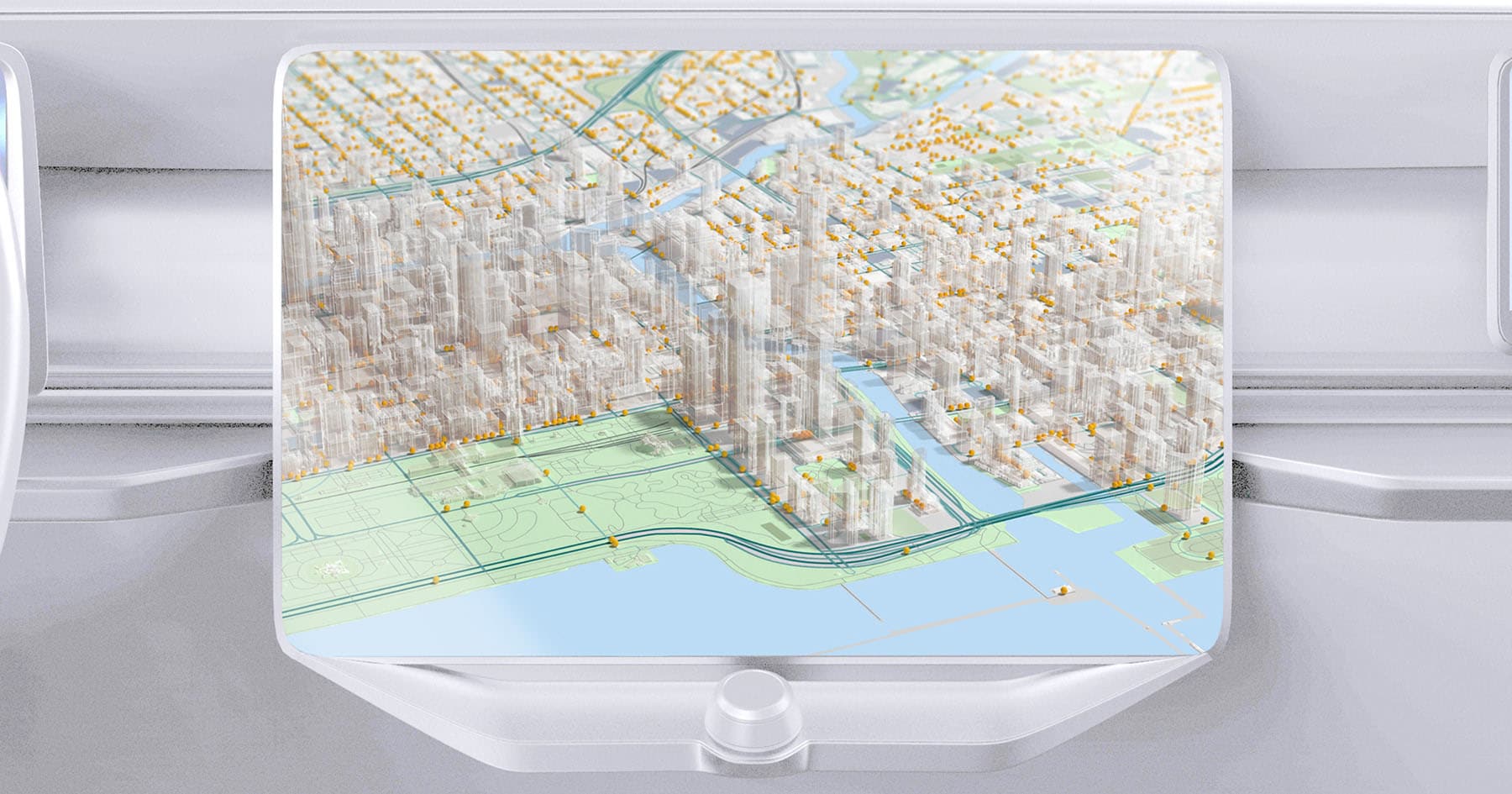
With the launch of NavSDK v2, TomTom’s latest navigation toolkit for Android, the company is directly addressing the modern pains of the industry making it easier for carmakers and developers to get full navigation experience up and running. Built on the idea of radical simplification, NavSDK v2 brings together everything that is needed to build turn-by-turn navigation through developer-friendly setup — reducing friction and speeding up the process.
Build faster, build better
Getting started with TomTom’s NavSDK is also easier than ever. It’s now offered in self-evaluation, removing the need to get in touch with TomTom directly and start lengthy calls and onboarding conversations. Developers can get access through the TomTom Docs and start using the SDK immediately, without contacting sales.
From the very first run, this version of NavSDK brings together map rendering, search, routing, navigation and traffic in a single, coherent SDK, designed to work together. This allows developers to focus their efforts on building better experiences rather than stitching components together.
From zero to navigation in minutes
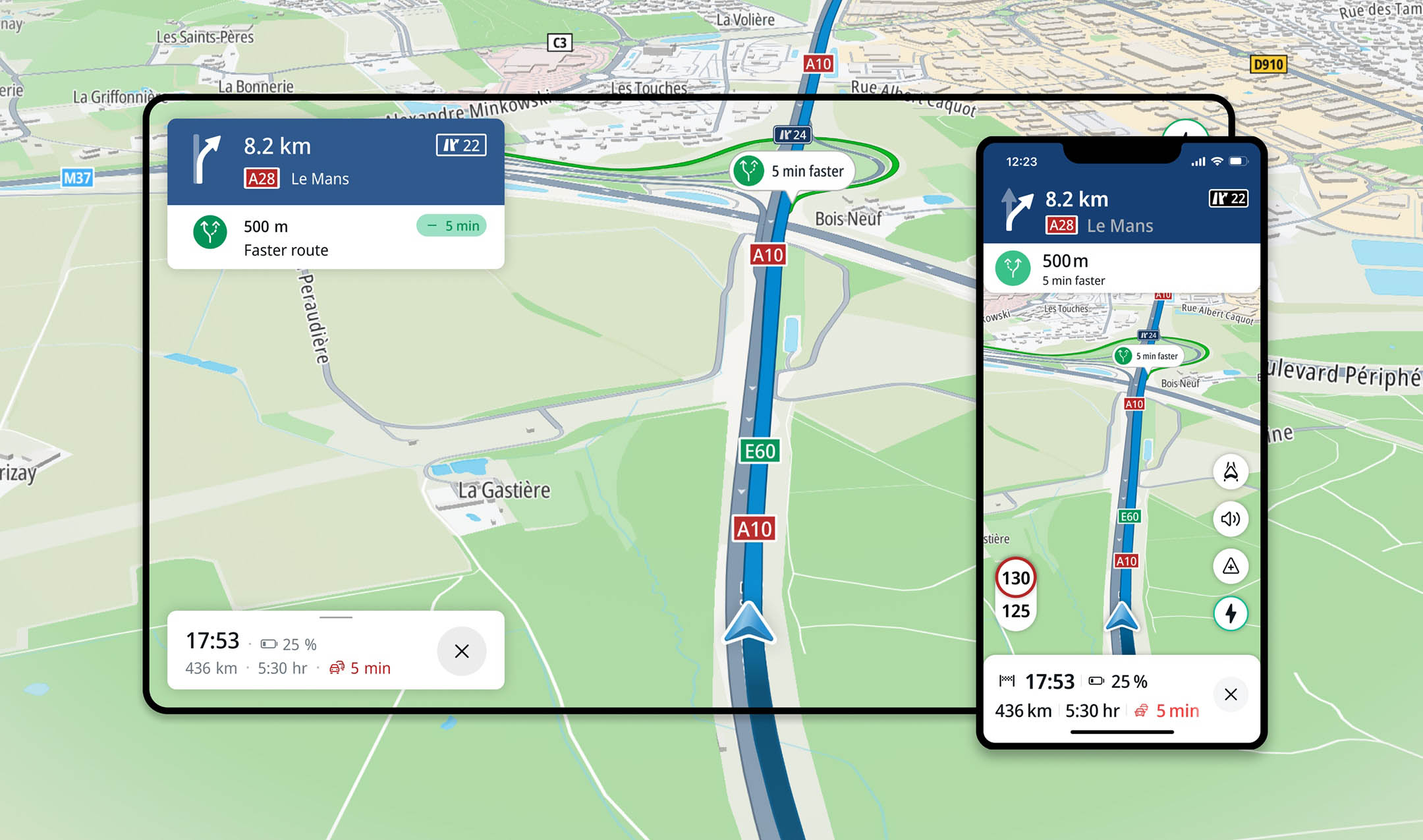
Getting started with NavSDK v2 is quick and straightforward. With simplified initialization and modern Android APIs, you can create a complete navigation experience without the usual heavy lifting. The SDK comes with Kotlin APIs and a new set of Jetpack Compose components, so you can render maps and build interactive experiences directly into your Android app. This means a fully working navigation app — with maps, routing, turn-by-turn guidance, and EV support can be up and running in minutes, not days or weeks.
“Ioana Kanda
NavSDK Product Manager, TomTom
Get started now
A GitHub repository including an open-source navigation app is available to help get started. This open-source application showcases NavSDK APIs and features both a lightweight navigation experience as well as dedicated examples focusing on specific use cases.
To make onboarding even easier, TomTom provides code samples on GitHub, including an open-source navigation app. These examples showcase NavSDK APIs through both in-dash and mobile navigation scenarios and include samples for common use cases.
Built on Orbis, made for a software defined world
As vehicles become increasingly software defined, speed and simplicity in development are becoming competitive differentiators. Maps and navigation are foundational to modern driving experiences from infotainment to advanced driver assistance and an important requirement is that they must be easy to integrate, evolve and maintain.
Our NavSDK v2 is powered by TomTom Orbis Maps, the freshest, collaborative maps built on an open standard. It gives developers access to validated, high quality map data, rich visualization and TomTom’s online services. Together, these solutions help create production-ready navigation experiences for both automotive and consumer applications.
In today’s automotive world, speed to market is everything; anything that slows production isn’t just an extra cost, it’s a competitive liability. NavSDK is designed to work in such environment by helping teams reduce complexity and move faster without compromising on quality or capability.
 Maps and navigation are software-defining features. They are the foundational building blocks towards an optimal driver experience — from in-vehicle infotainment to automated driving. The quicker and easier it is to build and integrate these parts of an infotainment stack, the more competitive carmakers can be, the better experiences they can build. Integrating such components has historically involved great complexity, slowing production and increasing costs. The solution? Radical simplification and NavSDK v2.
To know more about how to start building
People also read
)
From software defined to AI defined, the next vehicular evolution
)
Open, flexible, built for business: What makes TomTom Orbis Maps so alluring for location tech
)
There’s no such thing as mapless automated driving
)
Beyond the dashboard: Unlocking value through in-vehicle platforms
* Required field. By submitting your contact details to TomTom, you agree that we can contact you about marketing offers, newsletters, or to invite you to webinars and events. We could further personalize the content that you receive via cookies. You can unsubscribe at any time by the link included in our emails. Review our privacy policy. You can also browse our newsletter archive here.