


)
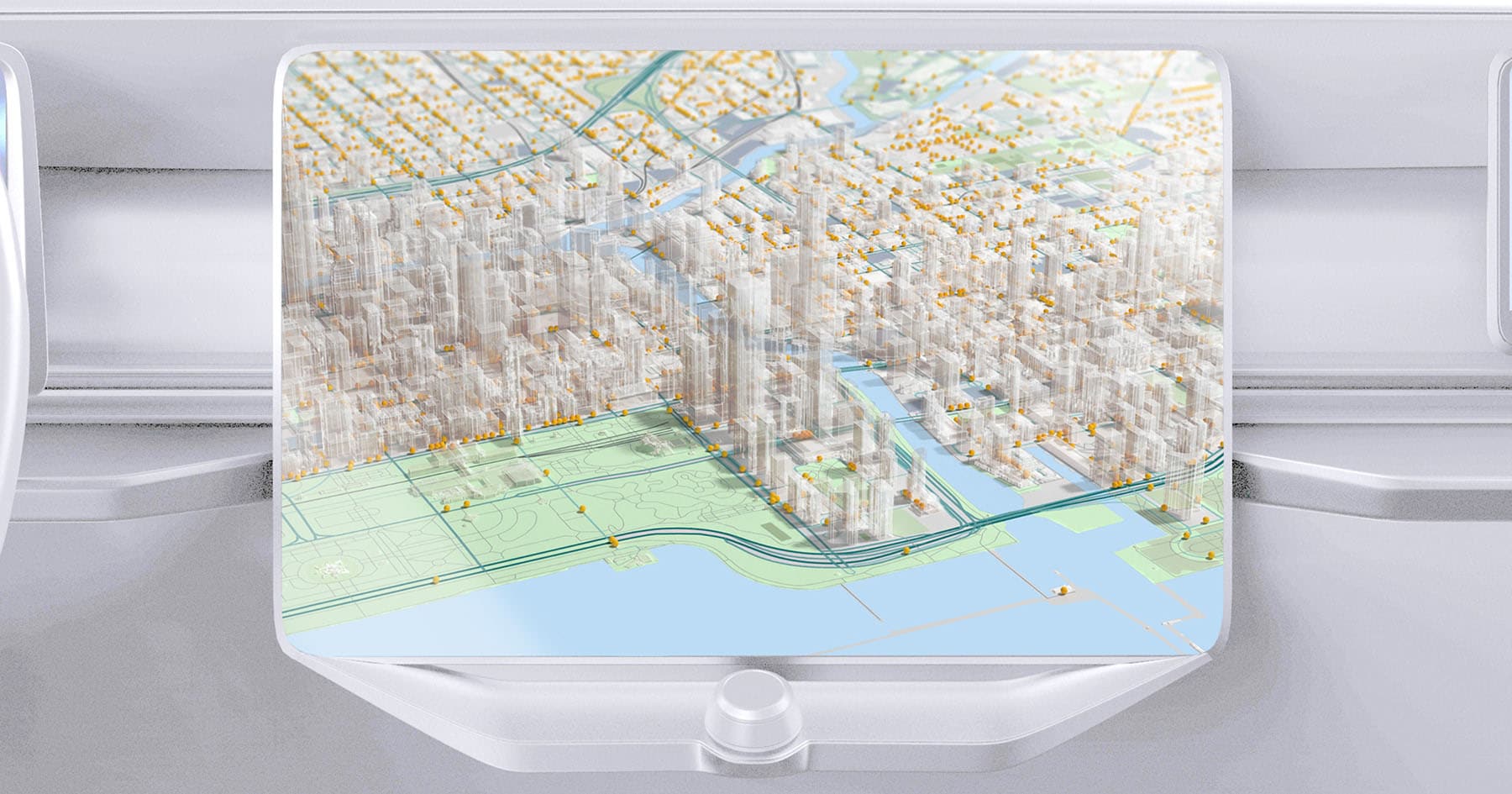
With the launch of NavSDK 2.1, TomTom’s latest navigation toolkit, the company is directly addressing the modern pains of the industry. Built on the idea of radical simplification, NavSDK 2.1 promises to be easier and quicker to work with. It combines everything developers need to effortlessly build navigation experiences in cars and apps with 40% less code than what was previously needed to get started.
Build faster, build better
Getting started with TomTom’s NavSDK is also easier than ever. It’s now offered in a self-service, self-evaluation, removing the need to get in touch with TomTom directly and start lengthy calls and onboarding conversations. By simply heading to the developer portal, it’s possible to download the SDK, test use cases and see how it works before committing.Initialization is designed to be explicit. In other words, it has a single entry point and consolidated components with a centralized architecture — the map, location and routing engines are all packaged in the SDK and require no integration or repetitive syncing.
“Ioana Kanda, Product Manager, TomTom
APIs within the SDK have also been rethought for this version. For APIs simplification means fluency and intuitiveness. For NavSDK 2.1 workflows have been built for Kotlin and JetPack Compose. And that 40% reduction in code, means that a fully working navigation tool can be up and running in 15 minutes.
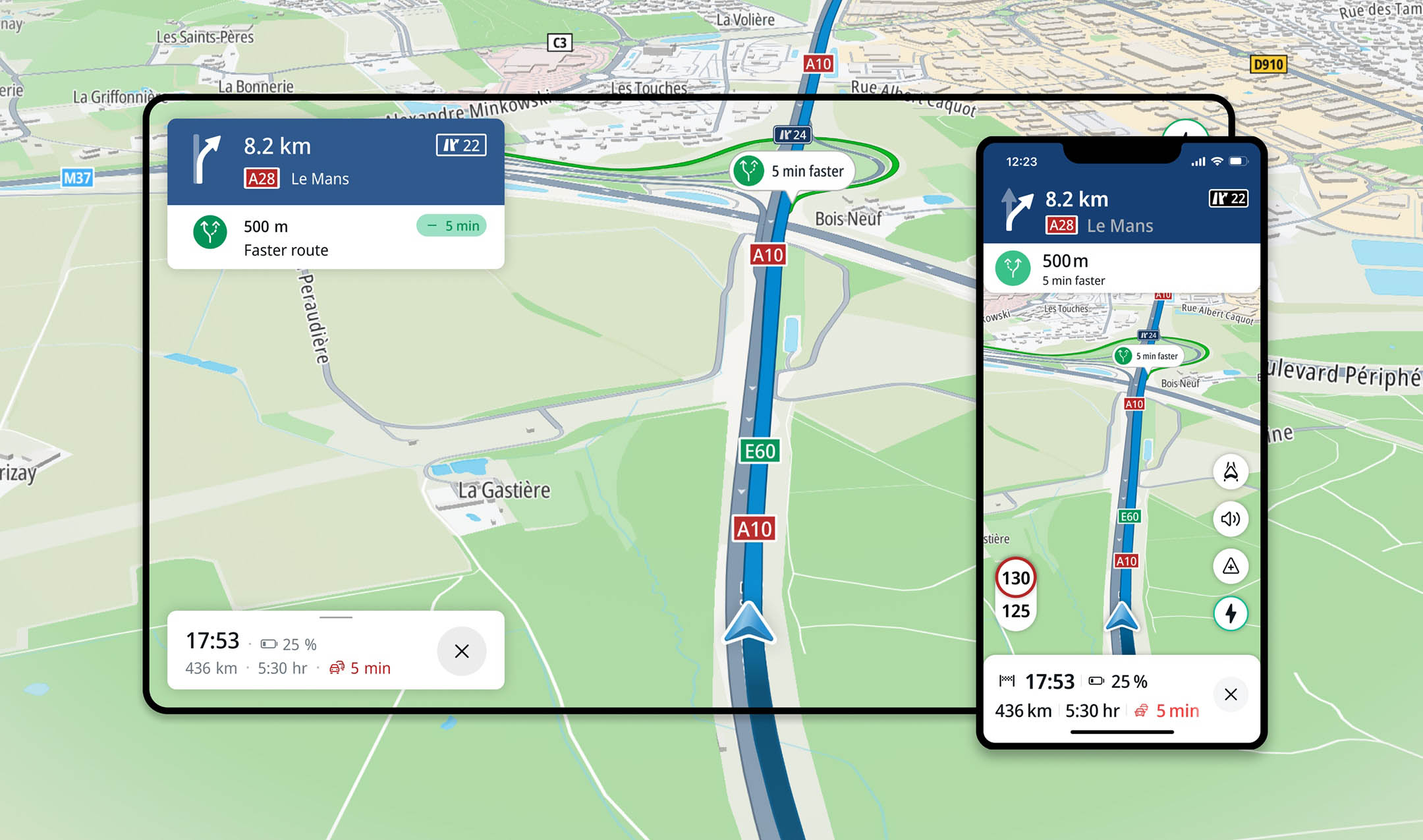
What’s more, developers don’t have to start from scratch or battle through laborious setups. There’s a GitHub repository of an example navigation app where users are welcome to dive in and explore its advanced features and modularity for themselves. It shows off sample code for features like lane guidance and traffic re-routing, and also has real-time map rendering with turn-by-turn logic.
And it goes without saying, the SDK is built on TomTom Orbis Maps, natively providing better performance and enhanced visuals. By removing the complexity of syncing layers and components, and combining everything you need to start building navigation experiences, there’s no guessing whether everything is working together as it should. It’s designed to work straight out of the box — that’s radical simplification in practice.The future of navigation development
These changes are already shaping business operations across the automotive industry. Led by industry demands, automakers around the world are showing the need for simple, easy to use and integrate solutions. Right now, speed to market is everything, anything that slows production isn’t just an extra cost, it’s a competitive liability.Software: The new priority
The playing field of vehicle design and manufacturing has changed. The continuous development of technology is shaping the automotive industry and software is the defining feature in modern cars. The progression to software-entered and AI-defined vehicles goes to show just how important it is. The quality of customer and user experiences rely on software in modern vehicles. For end-users that might extend only as far as the user interfaces and functions, but for carmakers it extends deeper, to software architecture and how it’s developed. Indeed, the software of a car is more than just a feature — it’s the way the car interprets the world, grounds itself in reality and communicates with the driver. When that communication is smooth, intuitive and reliable, the vehicle feels smarter and more dependable. Modern visuals, real-time responsiveness, seamless interactions aren’t just nice to haves, but essential features of any modern vehicle. That’s not all, considering the fast pace of car production and its costly demands, a secure and simple software development and integration platform is imperative. Integration of software stacks can be complex — multiple layers of map data, interfaces, search, routing and guidance need to be connected and in sync. The ability to work with a developer-friendly and easy to integrate solution is more important than ever, to not only meet the demands of end-users but also of the industry. Being able to develop and deploy quickly is a competitive advantage. Maps and navigation are software-defining features. They are the foundational building blocks towards an optimal driver experience — from in-vehicle infotainment to automated driving. The quicker and easier it is to build and integrate these parts of an infotainment stack the more competitive carmakers can be, the better experiences they can build. Integrating such components has historically involved great complexity, slowing production and increasing costs.
 The solution? Radical simplification and NavSDK 2.1.
To know more about how to start building
People also read
)
From software defined to AI defined, the next vehicular evolution
)
Open, flexible, built for business: What makes TomTom Orbis Maps so alluring for location tech
)
There’s no such thing as mapless automated driving
)
Beyond the dashboard: Unlocking value through in-vehicle platforms
* Required field. By submitting your contact details to TomTom, you agree that we can contact you about marketing offers, newsletters, or to invite you to webinars and events. We could further personalize the content that you receive via cookies. You can unsubscribe at any time by the link included in our emails. Review our privacy policy. You can also browse our newsletter archive here.