


)
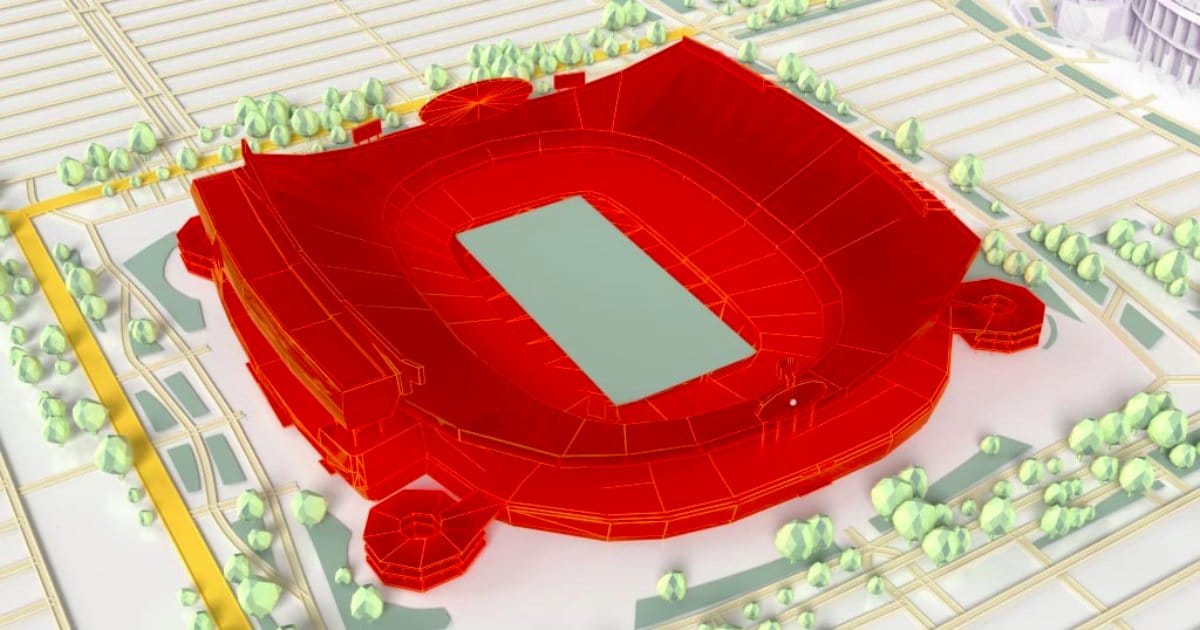
Major football tournaments aren’t just shaped by what happens on the pitch — they’re shaped by entire cities of fans, and traffic. New TomTom traffic pages reveal how match days at the world’s biggest tournament impact congestion across host cities, in real time.
When the world’s football tournament kicks off, the action isn't restricted to inside the host stadiums. It spills out onto city streets — shaping how millions of people move before, during and after every match. Across North America, that movement creates a live, evolving picture of how cities respond under pressure. To surface that story, TomTom has launched dedicated traffic pages tracking real-time and historical congestion patterns around 16 tournament venues. Using live traffic data, the pages give an immediate view of match day impact — from the pre-match build-up through to post-game crowd dispersal. You can explore how congestion compares to typical conditions, see where networks hold up or struggle under the weight of traffic and understand how cities adapt as road use peaks.See how each host city performs under pressure and discover the tournament's impact on traffic.
Across 16 stadiums in Canada, the U.S. and Mexico, the data highlights:
How traffic builds in the hours before kick-off
Which routes and corridors see the biggest strain
Where bottlenecks form — and how long they last
How quickly cities recover after the final whistle
The pages also highlight scenario-based analysis that compares what traffic around the tournament’s final game might look like. Comparing traffic around the MetLife Stadium during the football club world championship final of last year to a typical day, we get a glimpse at what traffic might be like at this year’s world’s final, held at the same stadium.
When global sporting events arrive, cities move differently. The average daily and weekly traffic trends become irrelevant, and we must look to similar events and real-time data to see how traffic flows into and out of venues, where infrastructure is most exposed and what it takes to keep cities moving during major events.
While the games themselves will be unpredictable, what happens on the roads around the stadiums doesn’t have to be.
* Required field. By submitting your contact details to TomTom, you agree that we can contact you about marketing offers, newsletters, or to invite you to webinars and events. We could further personalize the content that you receive via cookies. You can unsubscribe at any time by the link included in our emails. Review our privacy policy. You can also browse our newsletter archive here.